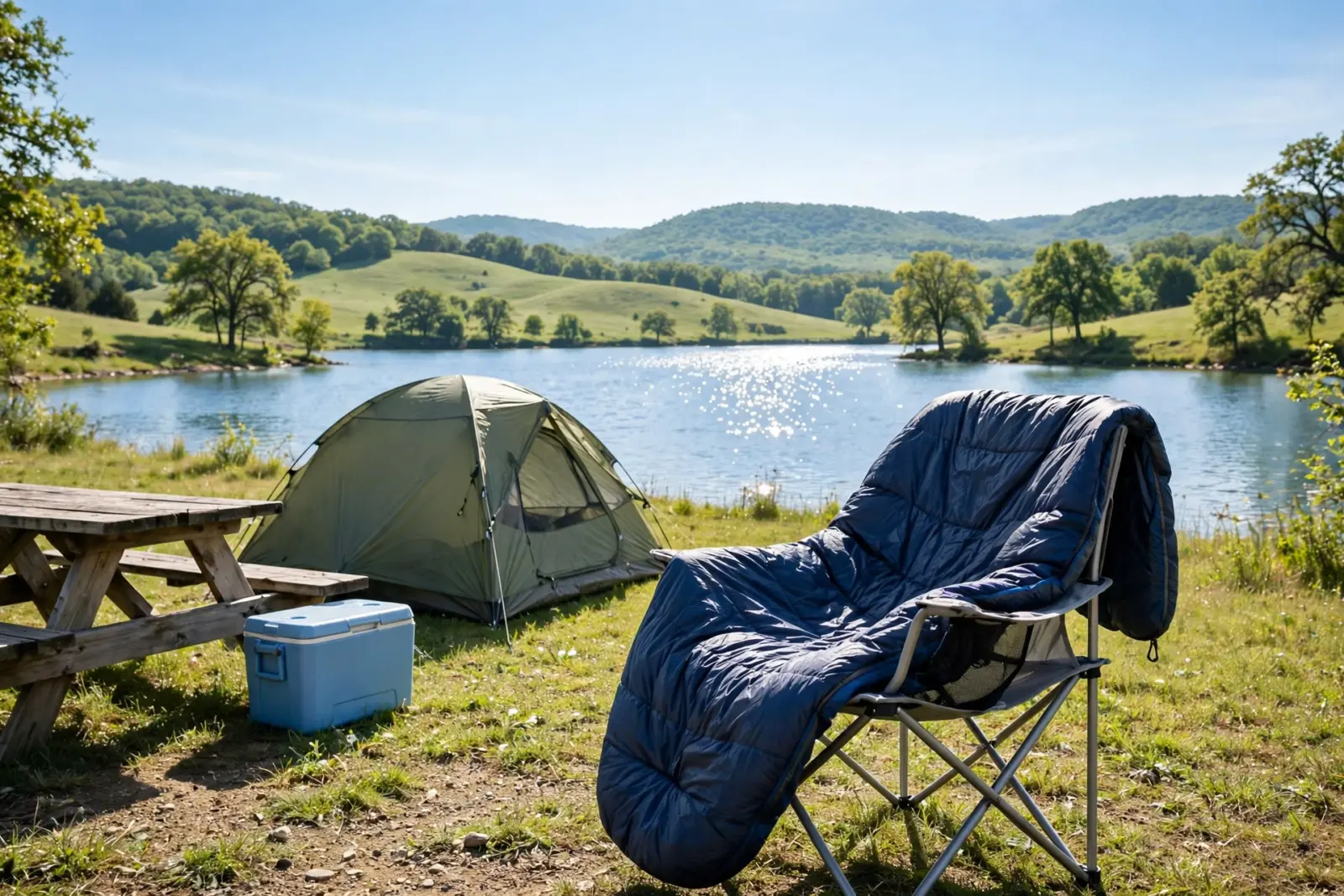
After a fall of camping trips, hunting weekends, and nights around a fire, a sleeping bag carries more than memories. It carries campfire smoke, trail dust, sweat, and whatever the ground gave it. Washing it at home sounds simple until you try to stuff a bulky, puffy bag into a standard washer, where it barely moves, barely rinses, and can come out still holding soap and damp spots. That is where sleeping bag cleaning in Claremore gets easier. At The Laundry Barn, 1501 N Lynn Riggs Blvd, Claremore, OK 74017, large-capacity washers give a bag room to tumble, soak, and rinse properly, and you can wash it yourself or drop it off and let the team handle it.
When to Clean It
You do not need to wash a sleeping bag after every night outdoors. Washing too often can wear down insulation faster than normal use. Wash it when it is visibly dirty, when it smells musty or smoky even after airing out, after a wet or muddy trip, or at the end of the camping and hunting season before it goes into storage.
Between washes, air the bag out after each trip, use a liner on longer trips, and shake out leaves, sand, and crumbs before you pack it away. Never store a bag that is still damp from dew, rain, or a tent floor. Dampness left in a stuff sack is how mildew and stale odors get started.
Check the Care Label and Fill Type
Before any wash, find the care label, usually sewn into an inside seam. It gives the water temperature, whether machine washing is allowed, and whether the bag should go to a professional cleaner instead. When in doubt, follow the label.
Most synthetic bags are the most forgiving. Their insulation handles machine washing well and dries more readily than down, which makes them a good fit for a large self-service washer. Down bags need more care. Down clumps when wet, so a down bag needs plenty of room to move, a gentle cycle, a thorough rinse, and complete drying to restore its loft. If your down bag is high-end or labeled for professional care, ask at our dry-cleaning counter before washing it yourself.
For both types, empty every pocket, close zippers and fasteners, and skip fabric softener, which can coat insulation and reduce loft. Above all, do not cram the bag into a machine that is too small. A bag that cannot move cannot get clean.
The Self-Service Big-Machine Route
This is the route most campers and hunters choose, and it is where size matters most. The Laundry Barn has four 60 lb washers and four 40 lb washers, plus plenty of 30 lb and 20 lb machines. A bulky bag that would fill a home washer to the brim has room to open up, tumble, and rinse in one of the larger machines, instead of sitting in a tight ball of fabric and soapy water.
- Pick a machine with room to spare. The bag should fill no more than about two-thirds of the drum.
- Use a gentle cycle and cool or warm water, as the label directs. Hot water and harsh agitation are hard on both down and synthetic fill.
- Use less detergent than you expect. A bulky bag traps soap easily, and extra soap is hard to rinse out.
- Let the washer do the extraction work. A commercial washer spins out far more water than a home machine.
Attendants are on site if you are unsure which machine or cycle fits your bag. The Laundry Barn is open daily 8:30 AM–8:30 PM, so arrive with enough time for a full wash and dry.
The Drop-Off Route
Prefer not to spend your afternoon on laundry? Drop the bag off instead. With our wash, dry & fold service, you hand over the sleeping bag and pick up a clean, dry, folded bag later, without sorting cycles or waiting for a dryer. It is a practical choice after a hunting trip, when several bags and loads of camp laundry arrive home at once.
If your bag is labeled for professional care or has stains or odors you are unsure about, bring it to our dry-cleaning counter and ask first. The team can tell you whether wash & fold or dry cleaning is the better fit.
A Quick Note on Drying
Washing is only half the job. A sleeping bag must be completely dry, all the way through the insulation, before it is folded or stored. A bag that feels dry outside can still hold damp clumps in the middle, and those clumps flatten loft and invite odor. For the full approach to bulky items, see our companion guide, Drying Bulky Items Right: Rugs, Blankets, and Sleeping Bags. In short: use a large dryer, give the bag room to tumble, and do not put it away until it is evenly puffy and dry throughout.
Storage Tips for Winter
Once the bag is clean and fully dry, store it loosely in a large, breathable cotton storage sack or hung in a closet, rather than compressed tightly in its small stuff sack for months. Long-term compression flattens insulation. Keep it in a cool, dry place, away from damp garage floors and musty basements.
Sleeping Bag Cleaning FAQ
Can I wash a sleeping bag in a regular home washer?
Sometimes, but many bulky bags are too large for a home machine. If the bag cannot move freely, it will not wash or rinse well. A 40 lb or 60 lb commercial washer at The Laundry Barn gives it the room it needs.
How often should I wash my sleeping bag?
Wash it when it is dirty, smelly, or at the end of the season before storage, rather than after every trip.
Should I drop off a down sleeping bag?
Drop-off is smart for down bags, especially if the care label calls for professional care. Ask at the dry-cleaning counter for advice on the best route for your bag.
Bring your camping and hunting gear to The Laundry Barn at 1501 N Lynn Riggs Blvd in Claremore, and get it clean before winter storage. Wash it yourself in our self-service laundry, drop it off with our wash, dry & fold service, or ask about dry cleaning for bags that need professional care. We are open daily 8:30 AM–8:30 PM, with attendants on site. Call (918) 341-2690.